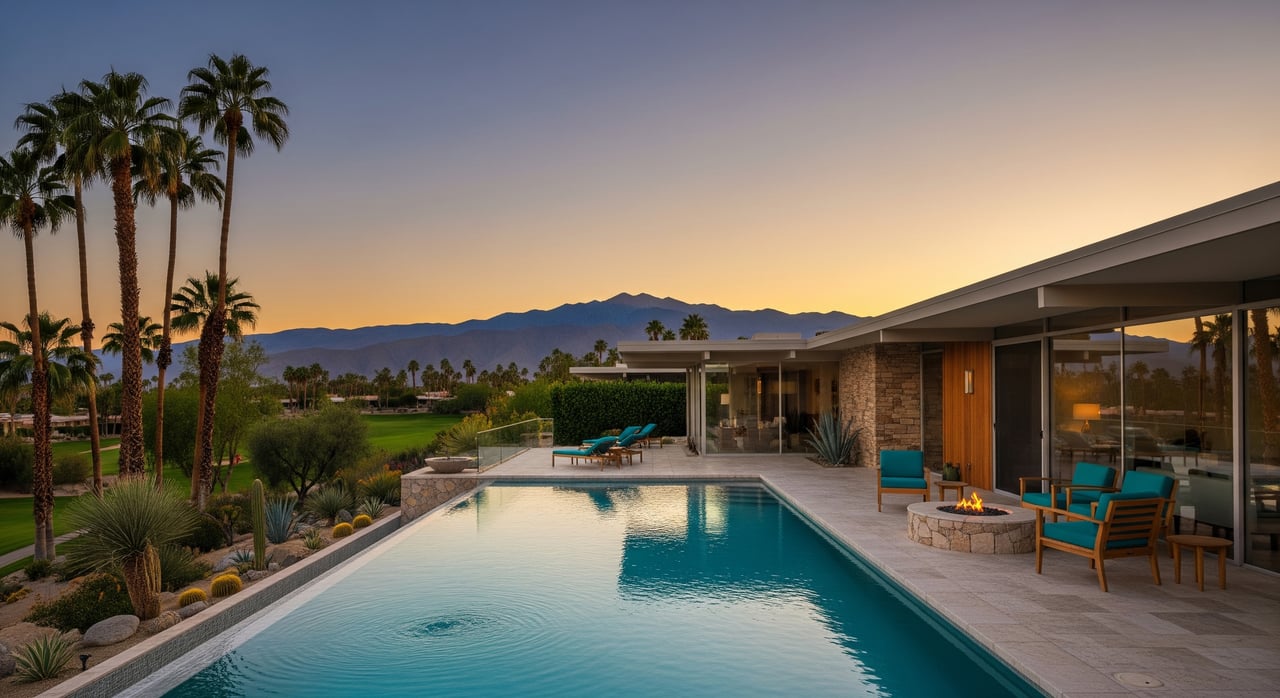
Dreaming of a sunny desert escape you can call your own a few months a year? If Indio is on your shortlist, you are not alone. Many buyers choose the Coachella Valley for its warm winters, golf, and event season. Financing a second home here is doable, but the rules are a bit different from buying your primary home. In this guide, you will learn how lenders view second homes, the loan types that work best, what down payment and reserves to expect, and how Indio’s short-term rental and insurance details can affect your plan. Let’s dive in.
Second-home basics in Indio
Indio sits within the Coachella Valley, a resort corridor with strong seasonal demand and event-driven interest. That seasonal pattern influences financing, insurance, and potential rental use. Getting clear on how you plan to use the property will shape everything from loan type to required reserves.
How lenders classify your use
Lenders sort properties into three buckets: primary residence, second home, or investment property. A second home is a property you occupy part of the year for personal use, with reasonable access, and without running it primarily as a rental business. If you intend to use the home mostly for rental income, lenders will treat it as an investment property with higher down payment and rate requirements.
When seasonal renting becomes investment
Occasional, incidental rentals may still fit a second-home classification if your personal use is primary. Regular or frequent short-term renting, especially during events and peak seasons, often triggers investment treatment. Your stated intent on the loan application must match how you plan to use the home. If you expect meaningful rental income, discuss that upfront with your lender so you choose the right product from day one.
Mortgage options for Indio buyers
Most second-home buyers in Indio use conventional or jumbo financing. Government-backed loans are usually not available for second homes.
Conventional loans
Conventional conforming mortgages are the most common path. Many lenders will accept down payments as low as about 10 percent for a one-unit second home, though guidelines are stricter than for primary residences. To access better pricing and avoid lender overlays, you may see lenders prefer 15 to 20 percent down.
If your loan amount is within Riverside County’s conforming limit, you may benefit from more standardized underwriting and pricing. If the amount is higher, you will look at jumbo options.
Jumbo loans
Jumbo loans apply when the loan amount exceeds the county’s conforming limit. These loans vary by lender. Down payments of 20 percent or more are common, and lenders often require stronger credit, more documentation, and larger cash reserves.
Government-backed programs
FHA, VA, and USDA programs are designed for primary residences, not second homes. In practical terms, you will be shopping conventional, jumbo, or portfolio products for an Indio second home.
Portfolio and non-QM options
If your income is complex or seasonal, or if you need flexibility with debt-to-income ratios, a portfolio or non-QM lender may help. Expect higher rates, larger down payments, and more reserves in exchange for flexible documentation.
Rates, PMI, and fees: what to expect
Costs for a second home differ from a primary residence in several ways.
Rate differences vs. a primary home
Second-home mortgage rates are typically a bit higher than comparable primary-home rates for the same borrower profile. The premium is usually modest, but pricing depends on your credit, loan size, down payment, and lender policies. If your use is classified as an investment property, expect a larger rate premium.
PMI and down payments
On conventional loans with loan-to-value above 80 percent, private mortgage insurance may be required. PMI availability and pricing can be stricter on second homes than on primary residences. Some lenders will ask for a larger down payment to avoid PMI or to improve pricing.
Cash to close and fees
Lenders often require more cash reserves for second homes. You may also see pricing adjustments or higher origination costs, especially for lower down payments or jumbo and non-QM loans. Build a cushion into your budget for reserves and closing costs.
Underwriting: how to qualify
Second-home underwriting focuses on your full financial picture, including other properties you already own.
Debt-to-income and income documentation
Lenders calculate debt-to-income ratios using the full monthly payment on the new second-home mortgage plus payments on any other financed properties and debts. Many conventional scenarios target a DTI in the mid-40s percent range or lower unless you have strong compensating factors like larger reserves or an excellent credit profile. Be ready to document income with pay stubs, W-2s, and possibly tax returns. Self-employed buyers may need two years of returns and additional statements.
Reserves
Reserve requirements for second homes are commonly higher than for primary residences. Many lenders want at least several months of principal, interest, taxes, and insurance in reserve for the new home. Some will also require reserves for each financed property you own. Jumbo and portfolio lenders may ask for even more.
Credit standards
Expect stronger credit standards than for a primary-home loan. Higher scores unlock better pricing and smoother approvals, especially for jumbo loans.
Renting your Indio home
Indio’s seasonal demand and event calendar make rentals appealing, but the details matter for both financing and operations.
STR rules, licensing, and HOA covenants
Short-term rental rules, business licensing, transient occupancy taxes, and HOA covenants can determine whether and how often you can rent the home. These requirements can change, so verify the current City of Indio rules, Riverside County tax guidance, and your HOA’s restrictions before relying on rental income. Your lender may also review HOA documents when rental use is part of your plan.
Using rental income to qualify
If you want to use rental income to qualify, lenders will require proof such as a signed lease, deposit history, or two years of rental income on tax returns. Treatment of short-term rental income varies by lender. Some do not count it at all, others discount it and require a documented history. Be clear about your rental plan when you apply so the lender can advise on documentation.
Insurance for seasonal homes
Homeowners insurance for a seasonal or vacation home can differ from a primary residence. Premiums may be higher, and some policies limit coverage after a property sits unoccupied for a period of time.
Vacancy clauses and coverage gaps
Many policies restrict coverage after 30 to 60 days of vacancy. Since lenders require continuous hazard insurance, confirm that your policy allows for seasonal use or add the correct endorsement. Work with an insurer familiar with desert resort homes and Indio’s conditions so your policy matches your real-world use.
A step-by-step plan for Indio buyers
Set yourself up for a smooth approval and closing with a clear plan.
Before you tour homes
- Get preapproved with a lender experienced in second homes and the Coachella Valley market.
- Gather documentation: recent pay stubs, bank statements showing reserves, two years of tax returns if needed, and details on any other financed properties.
- Estimate your price range and confirm whether your target purchase will be conforming or jumbo for Riverside County.
- Discuss your intended use. If you plan occasional rentals, ask how the lender classifies and documents that.
While you shop for loans
- Compare conventional, jumbo, and portfolio options. Ask about second-home pricing adjustments, minimum down payments, and required reserves.
- Confirm if PMI is available and at what cost if you plan to put less than 20 percent down.
- Ask how the lender treats short-term rental income and what proof they require if you want to count it.
- Obtain insurance quotes that address seasonal use and vacancy limitations.
After your offer is accepted
- Ensure your loan application accurately reflects second-home occupancy.
- Verify HOA covenants and any city permits or registrations if you plan to rent.
Local costs and cash-flow tips
- Property taxes and local assessments: Review Riverside County assessor information for budgeting. Your escrow account will reflect these costs in your monthly payment.
- Transient occupancy taxes and licensing: If you plan to rent short term, factor TOT and registration costs into your net cash flow. These items can affect your true break-even and should not be assumed in your qualifying income unless your lender accepts them with documentation.
- Maintenance and utilities: Seasonal use can increase costs like pool service, landscaping, and security checks. Lenders will not underwrite these directly, but they affect your budget and reserves.
Common mistakes to avoid
- Assuming a primary-home loan structure will apply. Second homes usually carry higher reserve needs and slightly higher rates.
- Counting on short-term rental income without proof. Many lenders need a lease or history on tax returns, and some do not count STR income at all.
- Overlooking HOA and city rules. A property that cannot be rented under current rules could change your loan classification and cash-flow plan.
- Skipping insurance details. Vacancy clauses can void coverage and put your lender and your investment at risk.
Your next step
Financing a second home in Indio is straightforward when your use, loan type, and documentation align. A local, renovation-savvy advisor can help you pair the right financing with the right property, from golf-course condos to gated desert homes, and coordinate trusted vendors for a turnkey experience. If you want hands-on guidance and a streamlined process tailored to out-of-area buyers and snowbirds, connect with Ron Bone to start your plan.
FAQs
What counts as a second home for lenders?
- A property you use for personal occupancy part of the year, with reasonable access, and not primarily for rental income or business use. Regular renting can shift the classification to investment.
How much down payment is typical on an Indio second home?
- Many lenders accept about 10 percent down for a one-unit second home, but 15 to 20 percent is common for better pricing and fewer overlays. Jumbo loans often expect 20 percent or more.
Are FHA, VA, or USDA loans available for second homes in Indio?
- Generally no. These programs are designed for primary residences. Most second-home buyers use conventional, jumbo, or portfolio loans.
Are rates higher for second homes than for primary residences?
- Usually yes, by a modest amount. Investment properties usually carry a larger premium than second homes, all else equal.
Can I use short-term rental income to qualify for a loan in Indio?
- It depends on the lender. Many require a documented history and may discount STR income. Some do not count it at all. Discuss your plan and documentation needs at preapproval.
What insurance issues should I watch for with a seasonal Indio home?
- Confirm your policy covers seasonal use and understand vacancy limits, which can restrict coverage after 30 to 60 days unoccupied. Lenders require continuous hazard insurance.
Will HOA or city short-term rental rules affect my financing?
- They can. If rules limit renting, your lender may classify the home as a true second home without rental income, which affects qualification and cash flow. Always verify current city and HOA rules before you rely on rental income.